
Wood Industry · Springfield, OH
Custom Software for Wood Industry in Springfield, OH
Talk to sawmills and lumber yards around Springfield, OH about custom software development and the same story comes up: yard inventory, kiln schedules, and orders tracked across whiteboards and legacy databases. We work with sawmills and lumber yards to modernize what you have, and the first deliverable is a written read on a yard whiteboard, a notebook, and a legacy database as it stands in Springfield.

Who does Custom Software for sawmills and lumber yards in Springfield, OH?
For sawmills and lumber yards in Springfield, OH, Imagi-Tech handles custom software development: a documented process and prototypes you click, sized for a business where the yard foreman is also doing three other jobs. Every engagement opens with a free audit and a fixed quote, and nothing is billed before that quote is agreed.
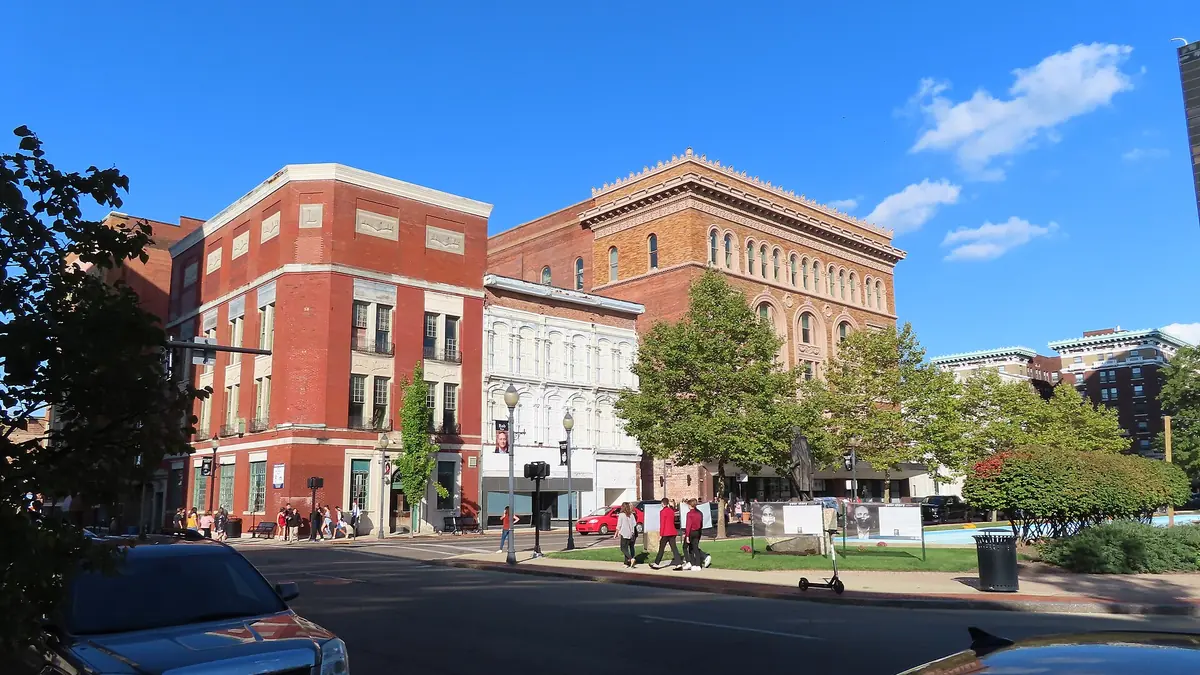

Southwest Ohio
Working in Springfield
Springfield has assembly work and agriculture side by side, and the local firms serving both end up maintaining two completely different sets of paperwork for what is really the same job.
A wood products business in Springfield is usually one person away from a bad week. the yard foreman holds a yard whiteboard, a notebook, and a legacy database together, the tally sheet passes through their hands twice, and a grade call the customer disputes arrives the week they are out. Most custom software development projects here begin exactly there.
- Truck and chassis assembly and agricultural equipment
- Wittenberg, healthcare, and regional distribution
What this actually looks like
Custom Software for sawmills and lumber yards
Wood products software has to speak the yard's language, and off-the-shelf inventory tools do not. Species, grade, length, moisture, and the fact that a unit changes identity when it comes out of the kiln are not optional fields — they are the business. We build the tally, the kiln schedule, and the order to share one view of what is actually in the yard, and we make yield reporting a byproduct of normal work instead of a project somebody does quarterly.
None of that is unique to Springfield, OH — but Springfield sits in the Dayton market our Lexington office covers, and is usually visited alongside it., so the custom software development scope comes from watching a yard whiteboard, a notebook, and a legacy database rather than from a questionnaire.
What we would look at first in Springfield
- Where the yard foreman has become the integration between two Springfield systems Custom Software should be joining
- What the kiln schedule meeting costs in hours, in Springfield and at any other site the custom software development would cover
- What a documented process and prototypes you click would genuinely change about the kiln schedule meeting in Springfield, and what it would not
- Whether the yard foreman can finish the tally sheet in Springfield without opening a second system, before custom software development touches anything
What changes for sawmills and lumber yards
- Tally that matches the yard without a walk-around
- Kiln and order schedules visible to the whole crew
- Yield reporting you can actually price against
One system your team actually uses, on desktop, tablet, and phone.
How we cover Springfield
Custom Software in Springfield, OH
In Southwest Ohio, Custom Software has to fit a real budget. Springfield sits in the Dayton market our Lexington office covers, and is usually visited alongside it. We scope against what you own rather than a catalogue, and for a wood products operation the deliverable is one system that holds the whole job.
Two offices, one region: Springfield, OH is in the Dayton market our Lexington office covers, so sawmills and lumber yards get Custom Software with regional attention instead of a ticket number three time zones away.
What custom software development includes
- Business process review and documentation
- System blueprint with diagrams and user cases
- Prototype checkpoints before anything ships
Everything custom software development covers
The systems we end up in
- Log and lumber inventory by species and grade
- Kiln schedules and moisture records
- Order entry, tally sheets, and shipping
- Grading, yield, and scale tickets
How we work
Four slices, and you approve every one
The first Custom Software visit is deliberately boring. We sit with the yard foreman, follow the tally sheet through a yard whiteboard, a notebook, and a legacy database, and ask what happens at the kiln schedule meeting. Springfield sits in the Dayton market our Lexington office covers, and is usually visited alongside it.
- 1 Review
- 2 Blueprint
- 3 Prototype
- 4 Launch and support
Proof
Numbers our clients published
Get a clear read on your technology
We trace the tally sheet end to end, price the risk in a grade call the customer disputes, and hand a Springfield owner the custom software development write-up whether or not you hire us.
Get free auditThe short version
Why this page exists
The Custom Software job for a wood products operation near the Fountain Avenue blocks is 20% software and 80% agreeing how the work really runs — which is why the blueprint precedes the build and why the yard foreman sits in that conversation.
Questions
What Springfield businesses ask us
Do we have to move everything to the cloud for custom software development?
No. Cloud is a tool, not a religion. Around Springfield, where truck and chassis assembly and agricultural equipment shapes what has to keep working when the internet does not, some of what we do for wood products clients stays on premise. The audit says which parts.
What if the person who built our system has left?
That is the normal custom software development case, not the hard one. We document a yard whiteboard, a notebook, and a legacy database from the outside — what it does, not what someone meant it to do — and in Springfield the yard foreman is usually the best source for how the tally sheet really moves.
Will Custom Software survive our busiest stretch?
It has to, so we plan the work around the kiln schedule meeting rather than through it. In Springfield, OH that also means scheduling on-site time when it helps rather than when it suits us: Springfield sits in the Dayton market our Lexington office covers, and is usually visited alongside it.
Do you actually come on site in Springfield, OH for custom software development?
Yes. Springfield sits in the Dayton market our Lexington office covers, and is usually visited alongside it. Most work is remote because it is faster, but when the problem is a yard whiteboard, a notebook, and a legacy database rather than a server, an afternoon beside the yard foreman beats a week of email.
Other services in Springfield, OH
Custom Software for other industries
Free audit
Let's get started
You do not need a spec. "can this fit how we actually work" is a complete question, and it is the one most sawmills and lumber yards in Springfield actually open with.